True Health education
WELLNESS chiropractic rooted in biblical principles in Lake Saint Louis, Missouri
How healthy people think…
How do healthy people think?
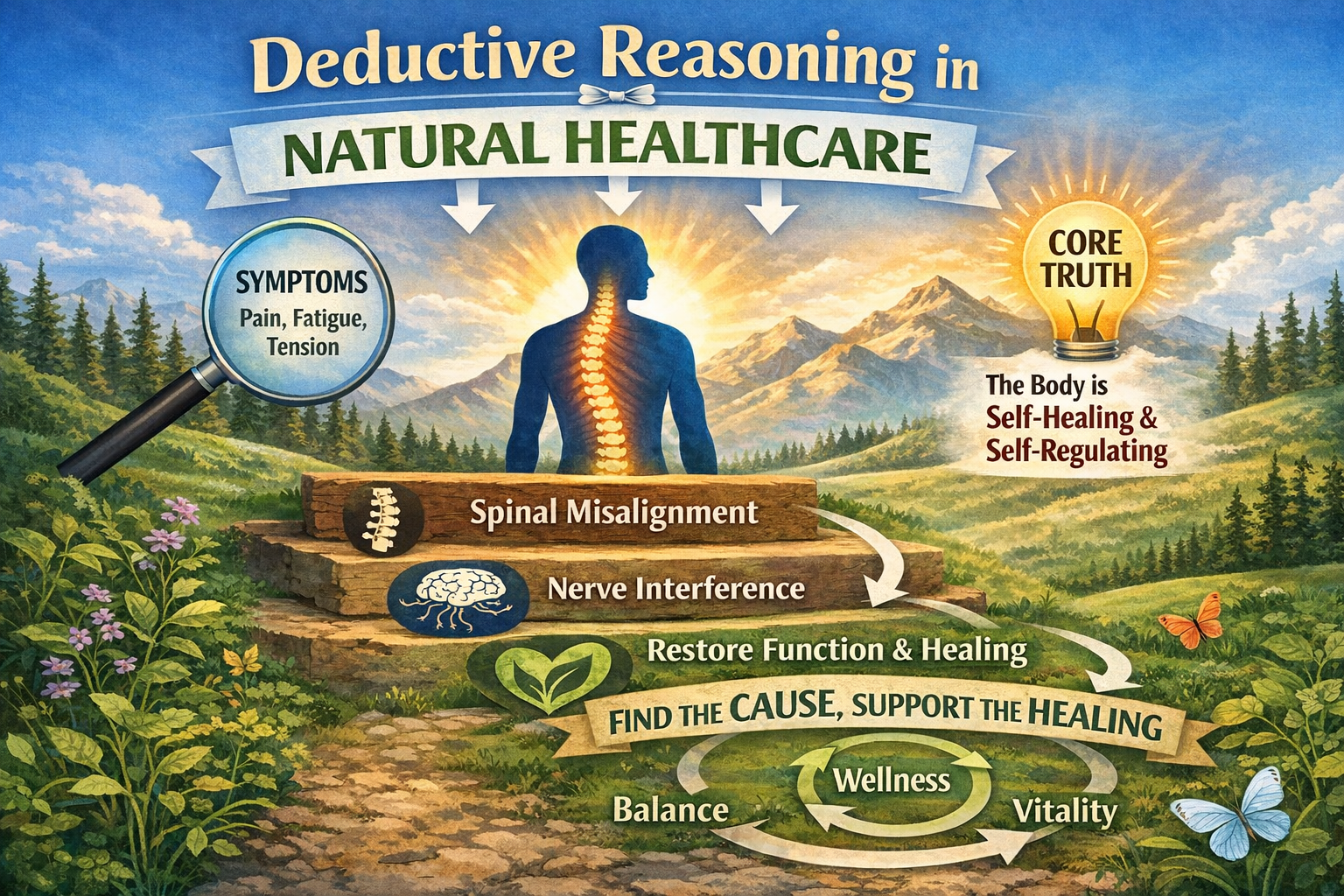
They use deductive reasoning, which is a deep investigation of root causes versus just focusing on symptoms.
This is exactly how wellness chiropractic patients think and a big reason why they tend to be the healthiest patients on the planet!
The Power of Deductive Reasoning in Natural Healthcare
In today’s healthcare world, many people are used to one main question:
“What do I take to make this symptom go away?”
While that approach may seem logical on the surface, natural healthcare—especially wellness chiropractic—operates from a deeper, more powerful form of thinking called deductive reasoning.
What Is Deductive Reasoning?
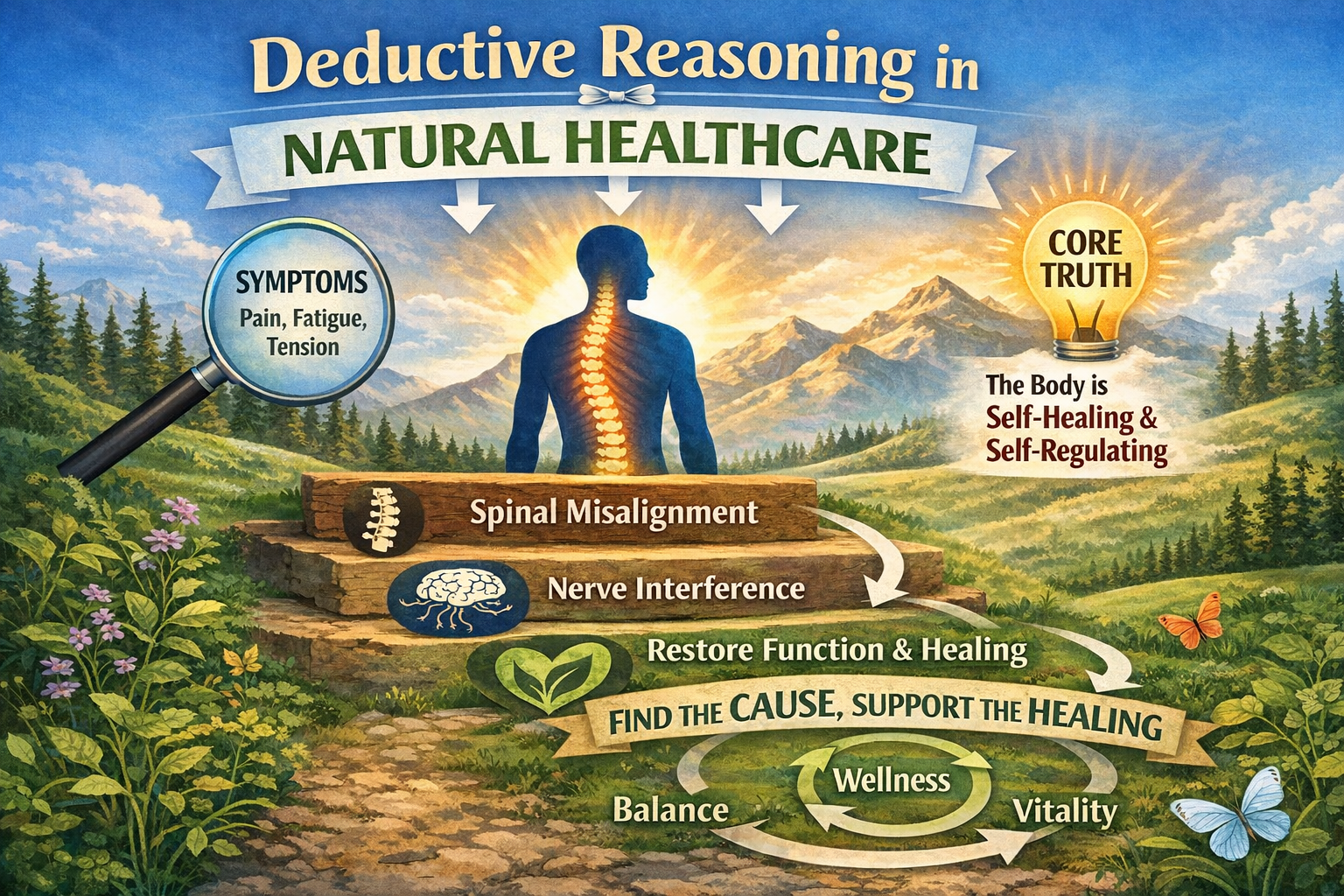
Deductive reasoning starts with a core truth and works downward to explain outcomes.
In natural healthcare, the core truth is simple:
The body is self-healing and self-regulating when it is functioning without interference.
From that truth, we can logically deduce the following:
If the nervous system controls and coordinates the body
And if the spine protects the nervous system
Then spinal dysfunction can interfere with optimal health
And removing that interference allows the body to express better health naturally
Rather than chasing symptoms, deductive reasoning helps us ask a more meaningful question:
“Why is the body expressing this symptom in the first place?”
Symptoms Are Signals, Not the Problem
In conventional models, symptoms are often viewed as the enemy. But deductive reasoning teaches us that symptoms are messages—the body’s way of communicating that something is not functioning optimally.
Pain, tension, fatigue, headaches, or recurring issues don’t just happen randomly. They are signs that the body is adapting to stress, imbalance, or interference. When we silence the symptom without addressing the cause, the message may stop—but the problem often remains.
Wellness chiropractic uses deductive reasoning to look upstream:
How is the spine moving?
Is the nervous system under stress?
Is the body adapting instead of thriving?
Why Wellness Chiropractic Is Different
Wellness chiropractic does not diagnose or treat disease—it focuses on restoring proper communication between the brain and body.
Using deductive reasoning, chiropractors recognize that:
A clear nervous system allows better adaptation to physical, emotional, and chemical stress
Better adaptation leads to better function
Better function leads to improved quality of life
Healthy spines lead to families enjoying life more together
Rather than asking, “What’s wrong?”
We ask, “How can we help the body function better?”
That shift in thinking is where true wellness begins.
Trusting the Body’s Innate Intelligence
One of the most powerful outcomes of deductive reasoning is trust—trust in the body’s innate ability to heal and regulate itself.
Just like a cut on your skin heals without you thinking about it, your body constantly works to maintain balance. Wellness chiropractic honors that intelligence by removing interference rather than forcing change.
The Big Picture of Natural Healthcare
Natural healthcare thrives when we stop chasing effects and start investigating causes.
Deductive reasoning allows us to:
See health as a process, not an event
Understand that healing comes from within
Focus on long-term vitality instead of short-term relief
When the spine moves well and the nervous system communicates clearly, the body has the opportunity to do what it was designed to do—heal, adapt, and thrive.
Final Thought
Wellness chiropractic isn’t about quick fixes—it’s about logical, principled care rooted in how the body truly works.
When we apply deductive reasoning to health, the question changes from
“How do I get rid of this?”
to
“How do I support my body’s ability to function at its best?”
And that shift changes everything.
The Importance and Benefits of Gentle Chiropractic Care During Pregnancy
The Importance and Benefits of Gentle Chiropractic Care During Pregnancy
Pregnancy is one of the most incredible seasons of life—but it also brings rapid changes to a woman’s body. As your baby grows, your posture, center of gravity, and spinal alignment all shift to accommodate new life. While these changes are natural, they can place stress on the spine and nervous system, leading to discomfort and tension that many expectant mothers simply accept as “part of pregnancy.”
The good news? It doesn’t have to be that way. Gentle chiropractic care during pregnancy is a safe, natural way to support both mom and baby throughout this journey.
How Pregnancy Affects the Spine and Nervous System
During pregnancy, several factors influence spinal health:
Postural changes as the abdomen grows and the center of gravity shifts forward
Hormonal changes, especially relaxin, which loosens ligaments to prepare for birth
Increased spinal and pelvic stress as the body adapts to carry additional weight
When the spine becomes misaligned or restricted, it can interfere with the nervous system—the body’s master communication system. This interference, often referred to as spinal stress or subluxation, may contribute to discomfort, reduced mobility, and increased tension throughout the body.
What Is Gentle Chiropractic Care During Pregnancy?
Prenatal chiropractic care uses specific, gentle adjustments designed for the unique needs of an expectant mother. These techniques avoid force and are adapted to be comfortable and safe at every stage of pregnancy. Special pregnancy-supportive chiropractic pillows and positioning allow moms to relax while receiving care and take any pressure off of the baby.
The goal isn’t just pain relief—it’s to help the spine and nervous system function at their best so the body can adapt, heal, and thrive during pregnancy.
Benefits of Chiropractic Care for Expectant Mothers
Many pregnant women who receive regular chiropractic care report a wide range of benefits, including:
Reduced back, hip, and pelvic discomfort
Improved posture and balance
Less tension in the neck and shoulders
Improved mobility and comfort during daily activities
Better sleep and overall sense of well-being
By keeping the spine aligned and moving properly, chiropractic care helps the body handle the physical demands of pregnancy more efficiently.
Supporting a Healthier Pregnancy and Birth Experience
A well-balanced spine and pelvis may also support optimal positioning for the baby. When the pelvis is aligned and free of tension, it creates an environment that allows the baby more room to move and grow. Many mothers choose chiropractic care as part of their birth preparation because they want their bodies functioning at their best leading into labor.
Gentle Care for a Powerful Season of Life
Pregnancy is not a condition—it’s a powerful, natural process. Gentle chiropractic care honors that process by working with the body rather than against it. By reducing spinal stress and supporting the nervous system, chiropractic care helps moms feel more comfortable, more connected, and more confident throughout their pregnancy journey.
If you’re expecting—or planning to be—consider chiropractic care as a proactive step toward a healthier, more enjoyable pregnancy. When the spine is supported, the body is better equipped to do what it was designed to do: grow, adapt, and give life.
Families that get adjusted together enjoy life more together
In today’s busy world, families are constantly juggling schedules, responsibilities, and stress. Between school, work, sports, and screen time, it’s easy for health to take a back seat. But one simple, powerful truth remains:
Families that get adjusted together, enjoy life more together.
At the heart of this idea is the spine—and the vital role it plays in how every member of your family feels, functions, and thrives.
Why the Spine Matters at Every Age
The spine isn’t just a stack of bones. It’s the protective pathway for the nervous system, which controls every organ, muscle, and system in the body. When the spine is healthy and moving properly, the nervous system can communicate clearly with the rest of the body.
When spinal misalignments or restrictions occur—often due to stress, poor posture, injuries, or daily wear and tear—that communication can be disrupted. Over time, this may impact how well the body adapts, heals, and functions.
A healthy spine supports a healthier individual.
And when each family member functions better, the family as a whole benefits.
Chiropractic Care for the Whole Family
Chiropractic care isn’t just for adults in pain—it’s for every stage of life.
Children experience physical stress from learning to sit, crawl, walk, carry backpacks, and spend time on screens. Gentle chiropractic adjustments can support proper spinal development and healthy nervous system function.
Teens face increased physical demands from sports, growth spurts, posture challenges, as well as social pressures and other stressors. Chiropractic care helps support balance, coordination, and recovery.
Parents often carry the physical and emotional load of the household. Regular adjustments can help improve mobility, reduce tension, and support energy levels needed to keep up with family life.
More Energy, Better Connection, Greater Joy
When families receive chiropractic care together, something special happens. As the body functions better, families often notice:
More energy and resilience
Better movement and flexibility
Improved ability to handle stress
Fewer physical distractions from aches and tension
More presence and enjoyment in daily life
Simply put, when everyone feels better, it’s easier to do life together—whether that’s playing, traveling, working, or relaxing.
A Lifestyle of Wellness, Not Just Symptom Relief
Chiropractic care is not just about addressing discomfort—it’s about creating a foundation for long-term health. By making spinal health a family priority, you’re modeling proactive wellness for your children and investing in a lifestyle that supports vitality for years to come.
Healthy spines lead to healthier individuals.
Healthier individuals create stronger, happier families.
Start Enjoying Life Together
At our family chiropractic office, we believe care should be gentle, intentional, and tailored to each member of your family. Whether you’re new to chiropractic or have been adjusted for years, we’re here to support your family’s journey toward better health—together.
Because when families get adjusted together, they truly enjoy life more together.

Unlocking better Sleep: a Holistic approach to insmonia
Insomnia can negatively impact our health and is a very common condition to American adults. Fortunately, there is an answer that does not involve medication! Better sleep is one of the most common benefits that our patients experience after treatment. Read on for the answers to a better night’s rest and how you can feel more energized throughout the day.

We all know that a good night's sleep is essential for our physical and mental health. However, for millions of people, insomnia is a persistent problem, leaving them tossing and turning for hours. Whether it's difficulty falling asleep, staying asleep, or waking up too early, insomnia can take a serious toll on our well-being. While many people turn to medications for relief, there are more natural and holistic approaches that can help improve sleep quality. One of the most effective and often overlooked methods is chiropractic care. In this blog, we’ll explore insomnia and how holistic treatments, including chiropractic adjustments, can promote restful, rejuvenating sleep.
What is Insomnia?
Insomnia is defined as a persistent difficulty in falling asleep or staying asleep, despite having the opportunity to sleep. It’s more than just an occasional sleepless night; it’s a chronic condition that can last for weeks or even months, and it can have a significant impact on your daily life. Some common symptoms include:
Difficulty falling asleep
Waking up frequently throughout the night
Waking up too early in the morning
Feeling tired or unrested after a full night’s sleep
Stress, anxiety, poor lifestyle habits, and certain health conditions are some of the common triggers for insomnia. However, one often overlooked cause can be related to the nervous system and spinal health.
How Chiropractic Care Can Help
Chiropractic care is a holistic approach that focuses on the alignment and function of the spine and nervous system. Misalignments, or subluxations, in the spine can interfere with the communication between the brain and the rest of the body. This can affect everything from muscle function to organ health — and, yes, even sleep!
Chiropractors work to correct spinal misalignments through gentle, non-invasive adjustments. By restoring proper alignment, chiropractic care helps ensure that the nervous system is functioning optimally. Here’s how chiropractic care can specifically benefit those struggling with insomnia:
1. Improved Nervous System Function
The nervous system controls nearly every function in the body, including the sleep-wake cycle. When the spine is misaligned, it can put pressure on nerves and disrupt the communication between your brain and body. Chiropractic adjustments can help restore balance to the nervous system, leading to improved relaxation and better sleep.
2. Reduced Stress and Anxiety
Stress and anxiety are two of the most common contributors to insomnia. Chiropractic care promotes relaxation by reducing tension in the muscles and encouraging the body’s natural ability to self-regulate. Additionally, spinal adjustments can help stimulate the release of endorphins, the body’s natural "feel-good" hormones. This reduction in stress levels can help calm the mind and make it easier to fall asleep.
3. Relief from Pain and Discomfort
Chronic pain is another common barrier to restful sleep. Whether it’s back pain, neck pain, or headaches, these discomforts can prevent you from getting the sleep your body needs. Chiropractic adjustments can help relieve pain and improve posture, which in turn can lead to better, uninterrupted sleep.
Holistic Ways to Manage Insomnia
While chiropractic care plays an important role in treating insomnia, it’s just one part of a holistic approach to better sleep. Here are some additional lifestyle changes and natural remedies that can complement chiropractic care and help improve your sleep:
1. Mindful Sleep Hygiene
Sleep hygiene refers to the habits and environment that promote healthy sleep. Some simple practices include:
Establishing a regular sleep schedule
Avoiding caffeine and heavy meals before bedtime
Creating a calming bedtime routine (such as reading or prayer)
Ensuring your bedroom is dark, quiet, and cool
2. Exercise
Regular physical activity helps regulate your sleep cycle, reduce stress, and improve overall health. Aim for at least 30 minutes of moderate exercise a day, but try to avoid vigorous workouts right before bedtime, as they can be stimulating.
3. Herbal Remedies
Herbs like valerian root, chamomile, and lavender have been used for centuries as natural sleep aids. Drinking a cup of chamomile tea before bed or using lavender essential oils in a diffuser can promote relaxation and help signal to your body that it’s time to wind down.
4. Mind-Body Practices
Mindfulness meditation, yoga, and deep breathing exercises can help reduce stress and anxiety, two major contributors to insomnia. These practices focus on calming the mind, relaxing the body, and promoting better sleep.
5. Dietary Adjustments
What you eat can impact your sleep. Avoiding stimulants like caffeine and sugar in the evening and incorporating sleep-friendly foods like nuts, seeds, and turkey can support better rest. Additionally, staying hydrated throughout the day is important, but be mindful not to drink too many fluids before bed to prevent waking up for bathroom trips.
The Bottom Line: Treating Insomnia Holistically
If you're struggling with insomnia, it’s essential to explore holistic solutions that address the root cause of the problem, rather than simply masking the symptoms. Chiropractic care offers a safe, effective way to improve nervous system function, reduce stress, and relieve discomfort — all of which contribute to better sleep. When combined with mindful practices like proper sleep hygiene, regular exercise, and natural remedies, you can improve the quality of your rest and feel more energized during the day.
If you’ve been struggling with insomnia, don’t hesitate to reach out to us for a consultation. Our office can help assess your spinal health and create a personalized treatment plan designed to promote better sleep. Start your journey toward better sleep today!
At New Life Family Chiropractic, we're committed to helping you get the restful sleep you deserve. Contact us today to learn how chiropractic care can improve your sleep and overall health.
Sympathetic Dominance: An Overactive Brain Dysfunction
Understanding Sympathetic Dominance: What It Means for Your Health
In our fast-paced, modern world, many people experience constant stress and anxiety, which can lead to a condition known as sympathetic dominance. But what exactly is sympathetic dominance, and how does it affect your health? Let’s dive into this concept to understand its implications and explore ways to manage it.
What is Sympathetic Dominance?
Sympathetic dominance occurs when the sympathetic nervous system (SNS) is overactive compared to the parasympathetic nervous system (PNS). To understand this, let’s briefly look at the roles of these two branches of the autonomic nervous system:
Sympathetic Nervous System (SNS): Often referred to as the "fight or flight" system, the SNS prepares the body to respond to perceived threats. It increases heart rate, dilates pupils, releases adrenaline/other stress hormones, and tenses muscles, among other responses.
Parasympathetic Nervous System (PNS): Known as the "rest and digest" system, the PNS promotes relaxation, recovery, and healing. It lowers heart rate, stimulates digestion, and helps the body conserve energy.
In a balanced state, these systems work together to maintain homeostasis. However, when the SNS is dominant, it means that the body's stress response is continuously activated, even in the absence of immediate threats.
Signs and Symptoms of Sympathetic Dominance
When sympathetic dominance occurs, it can manifest in a variety of ways, including:
Increased Heart Rate: You may notice a rapid or irregular heartbeat even when you're not exercising or stressed.
Elevated Blood Pressure: Persistent high blood pressure can result from ongoing sympathetic activation.
Chronic Stress and Anxiety: A constant feeling of stress or anxiety can be a sign of sympathetic dominance.
Digestive Issues: Problems such as irritable bowel syndrome (IBS) or indigestion may arise due to reduced parasympathetic activity.
Sleep Disturbances: Difficulty falling asleep or frequent awakenings can be linked to overactivity in the SNS.
Causes of Sympathetic Dominance
Several factors can contribute to sympathetic dominance, including:
Chronic Stress: Prolonged exposure to stressful situations or environments can keep the SNS in overdrive.
Poor Lifestyle Choices: Lack of sleep, poor diet, and inadequate physical activity can exacerbate sympathetic dominance.
Medical Conditions: Certain conditions, such as adrenal disorders or chronic illnesses, can influence autonomic balance.
Managing Sympathetic Dominance
Fortunately, there are several strategies to help manage sympathetic dominance and restore balance:
Stress Management Techniques: Practices such as mindfulness meditation, deep breathing exercises, and progressive muscle relaxation can help activate the PNS and reduce SNS overactivity.
Regular Exercise: Engaging in regular physical activity helps to regulate the autonomic nervous system and improve overall well-being.
Healthy Diet: Eating a balanced diet rich in nutrients can support nervous system health and reduce stress.
Adequate Sleep: Ensuring you get enough quality sleep is crucial for maintaining autonomic balance and overall health.
Chiropractic Adjustments: Specific chiropractic adjustments to certain areas of the spine have an effect on lowering the sympathetic response and allows the body to feel more relaxed and rested following treatment.
Conclusion
Sympathetic dominance is a condition that reflects an imbalance in the autonomic nervous system, with the sympathetic nervous system being overly active. Understanding this concept can help you recognize the signs and symptoms and take proactive steps to manage it. By adopting a holistic approach to stress management, lifestyle adjustments, and seeking professional support if needed, you can work towards achieving a healthier, more balanced state of well-being.
Feel free to reach out to us for more information or personalized advice on managing sympathetic dominance and improving your health.
stress leads to sickness
Stress Leads To Sickness
The Hidden Connection: Stress and Its Impact on Health
In today’s fast-paced world, stress has become a common part of our daily lives. From work deadlines to family responsibilities, we often find ourselves juggling numerous demands. While a certain level of stress can be beneficial, chronic stress can lead to serious health issues. Understanding the connection between stress and sickness is crucial for maintaining both our mental and physical well-being.
What Is Stress?
Stress is the body’s natural response to threats, challenges, and demands. When faced with a stressful situation, our bodies release hormones like adrenaline and cortisol, preparing us for a "fight or flight" response. This reaction can be helpful in short bursts, but when stress becomes chronic, it can have detrimental effects on our health.
The Physical Effects of Chronic Stress
Chronic stress can manifest in various physical symptoms and health issues, including:
Sleep Disorders: Stress can disrupt sleep patterns, leading to insomnia or poor-quality sleep. Lack of sleep can further exacerbate stress and create a vicious cycle that negatively impacts health.
Mental Health Disorders: Chronic stress can contribute to anxiety, depression, and other mental health disorders. The constant state of worry can lead to a cycle of negative thoughts, making it difficult to cope with daily life.
Cardiovascular Problems: Stress is a significant risk factor for heart disease. It can lead to increased heart rate, elevated blood pressure, and inflammation, all of which can damage the heart over time.
Digestive Issues: Stress can affect the digestive system, leading to symptoms such as stomach aches, irritable bowel syndrome (IBS), or even ulcers. The gut and brain are closely linked, and stress can disrupt the balance of bacteria in the gut, further complicating digestive health.
Weakened Immune System: Prolonged stress can suppress the immune response, making us more susceptible to infections, colds, and flu. Studies show that individuals under chronic stress are less likely to produce the antibodies needed to fight off illnesses.
Recognizing the Signs of Stress
It’s essential to recognize the signs of stress before it takes a toll on your health. Common indicators include:
Fatigue and lack of energy
Difficulty concentrating
Irritability or mood swings
Changes in appetite (overeating or undereating)
Physical symptoms like headaches, muscle tension, or stomach issues
Managing Stress for Better Health
While we may not be able to eliminate stress entirely, we can take steps to manage it effectively. Here are some strategies to help reduce stress and improve overall health:
Practice Mindfulness and Meditation: Mindfulness techniques can help ground you in the present moment, reducing anxiety and promoting relaxation. Consider incorporating meditation, deep breathing exercises, or yoga into your daily routine.
Exercise Regularly: Physical activity is a powerful stress reliever. Exercise releases endorphins, which can elevate your mood and reduce feelings of stress. Aim for at least 30 minutes of moderate exercise most days of the week.
Maintain a Healthy Diet: Eating a balanced diet rich in whole foods, fruits, and vegetables can help your body cope with stress more effectively. Avoid excessive caffeine and sugar, as they can contribute to anxiety and energy crashes.
Stay Connected: Reach out to friends and family for support. Sharing your thoughts and feelings with others can provide a sense of relief and help you gain perspective on your stressors.
Set Boundaries: Learn to say no and set limits on your commitments. Overloading yourself with responsibilities can lead to increased stress and burnout.
“Nerve System” Focused Chiropractic: Getting chiropractic adjustments can help by decreasing the body’s stress response. Many times patients note feeling more relaxed and rested after receiving treatment.
Conclusion
The link between stress and sickness is undeniable. By recognizing the signs of stress and taking proactive steps to manage it, you can protect your health and improve your overall quality of life. Remember, it’s okay to ask for help and prioritize your well-being. Taking care of yourself is not just a personal choice; it’s essential for a healthier, happier life.